Elizabeth Becks
- April 04, 2026
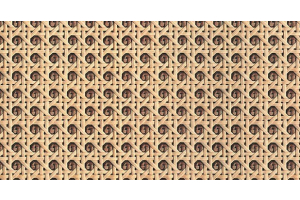
Rattan has long occupied a unique place in the world of furniture and interiors—at once informal and refined, lightweight yet enduring. Woven into the fabric of 20th-century European design, it offered an alternative to heavier materials, introducing a sense of ease and movement into interiors. Its appeal lies not only in its natural texture, but in the way it balances craftsmanship with simplicity—never...
Rattan has long occupied a unique place in the world of furniture and interiors—at once informal and refined, lightweight yet enduring. Woven into the fabric of 20th-century European design, it offered an alternative to heavier materials, introducing a sense of ease and movement into interiors. Its appeal lies not only in its natural texture, but in the way it balances craftsmanship with simplicity—never overpowering a space, but always adding depth.
What Is Rattan?
Rattan is a naturally renewable palm that grows in tropical regions, primarily in Southeast Asia. Unlike solid wood, it is both flexible and strong, allowing it to be bent, shaped, and woven into a wide range of forms. This versatility...
- November 11, 2025
In the world of French design, few materials carry the same timeless power as iron. From the sweeping balconies of Paris to the sculptural bases of Art Deco tables, ironwork reflects a balance of artistry, endurance, and refinement. At Panoplie, our collection of French iron furniture and décor celebrates this enduring tradition — where craftsmanship meets architectural beauty.
A French Tradition in Metal...
In the world of French design, few materials carry the same timeless power as iron. From the sweeping balconies of Paris to the sculptural bases of Art Deco tables, ironwork reflects a balance of artistry, endurance, and refinement. At Panoplie, our collection of French iron furniture and décor celebrates this enduring tradition — where craftsmanship meets architectural beauty.
A French Tradition in Metal
France’s legacy of ironwork stretches back centuries — from ornate 18th-century gates and balconies to the minimalist wrought-iron forms of the 1920s and 30s. During the Art Deco era, iron was reimagined as a luxury material: sleek, geometric, and structural.
Designers like Raymond Subes and...
- October 13, 2025
Before modern minimalism found its way into today’s homes and landscapes, Swiss designer Willy Guhl was already transforming humble cement into works of enduring art. Our curated collection of his iconic planters showcases not only functional vessels for greenery, but sculptural objects that embody timeless mid-century modern design.
A Glimpse into a Singular Vision
Willy Guhl (1915–2004) was a pioneer of...
Before modern minimalism found its way into today’s homes and landscapes, Swiss designer Willy Guhl was already transforming humble cement into works of enduring art. Our curated collection of his iconic planters showcases not only functional vessels for greenery, but sculptural objects that embody timeless mid-century modern design.
A Glimpse into a Singular Vision
Willy Guhl (1915–2004) was a pioneer of Swiss modernism and a celebrated teacher at the Zurich School of Applied Arts. Known for his philosophy of “achieving the most with the minimum,” Guhl brought clarity and calm to every object he created.
His favored medium, Eternit—an innovative fiber-cement blend—was revolutionary in its...