Glass
- June 01, 2026
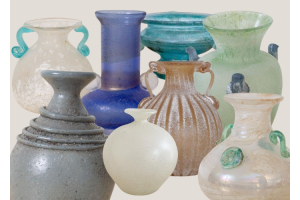
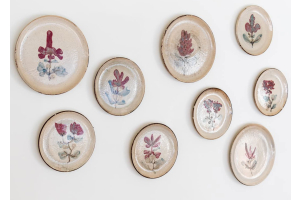
Few decorative techniques capture the beauty of age quite like scavo. Named after the Italian word for "excavation," the technique is designed to recreate the weathered appearance of ancient vessels uncovered from archaeological sites. The result is a finish that feels rich with history while remaining distinctly Italian in its craftsmanship.
What is Scavo?
Scavo is a decorative technique used primarily on...
Few decorative techniques capture the beauty of age quite like scavo. Named after the Italian word for "excavation," the technique is designed to recreate the weathered appearance of ancient vessels uncovered from archaeological sites. The result is a finish that feels rich with history while remaining distinctly Italian in its craftsmanship.
What is Scavo?
Scavo is a decorative technique used primarily on ceramics and glass to mimic the effects of natural aging. Through specialized glazes, mineral treatments, and firing processes, artisans create surfaces that appear softened by time, often featuring subtle variations in color, texture, and patina.
The finished pieces often resemble objects...
- January 04, 2026
Few objects capture light with the same poetry as Murano glass. At once delicate and assured, these pieces are the result of centuries of experimentation, restraint, and mastery—crafted on a small cluster of islands in the Venetian lagoon, where glassmaking became both an art form and a guarded legacy.
An Island Devoted to Craft
Murano’s rise as a glassmaking center dates to the late 13th century, when Venetian...
Few objects capture light with the same poetry as Murano glass. At once delicate and assured, these pieces are the result of centuries of experimentation, restraint, and mastery—crafted on a small cluster of islands in the Venetian lagoon, where glassmaking became both an art form and a guarded legacy.
An Island Devoted to Craft
Murano’s rise as a glassmaking center dates to the late 13th century, when Venetian authorities moved furnaces from the city to the islands to reduce the risk of fire and to protect closely held techniques. What followed was an extraordinary concentration of knowledge. Glassmakers refined their methods over generations, developing innovations that would influence decorative...