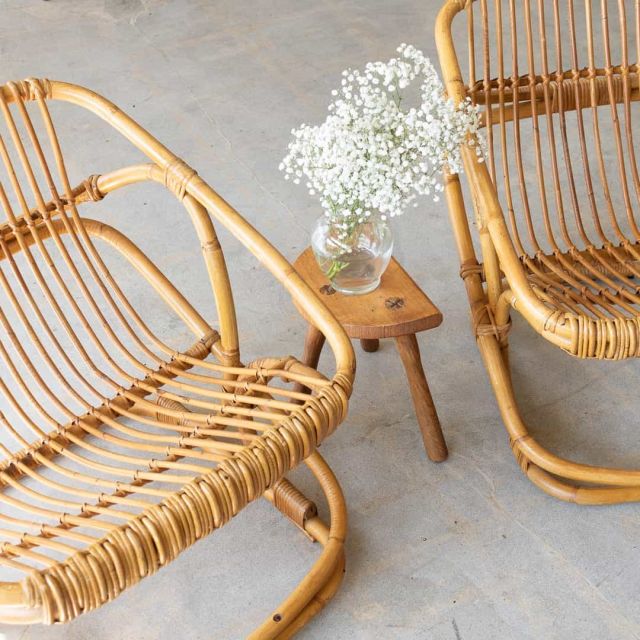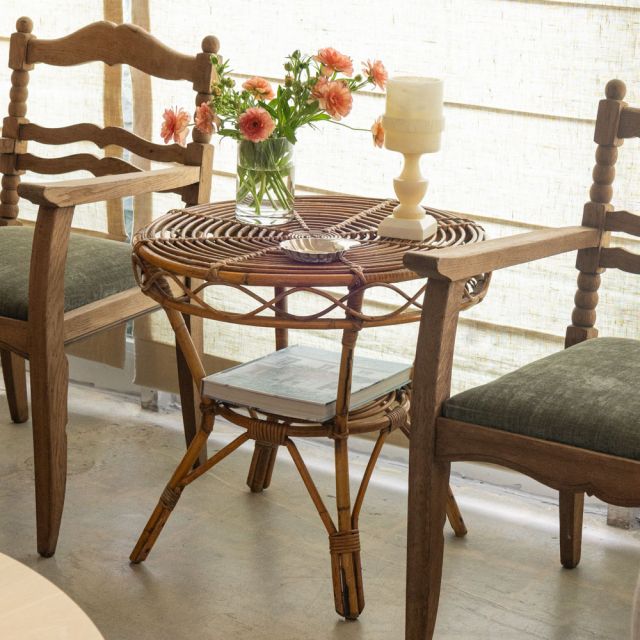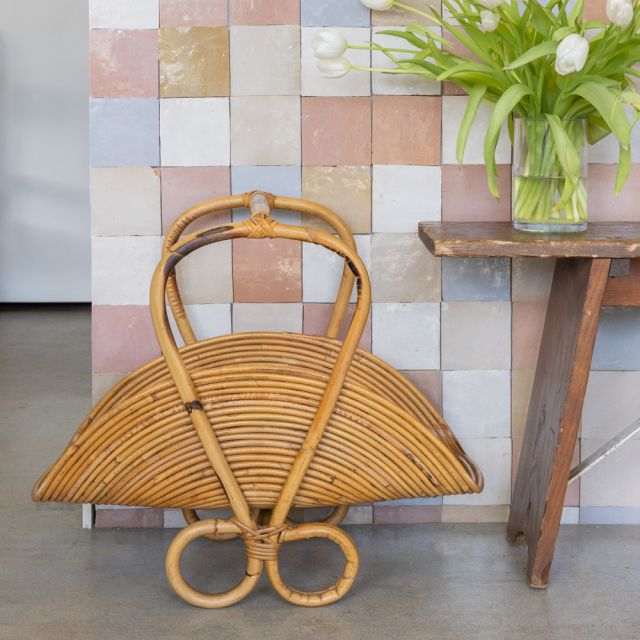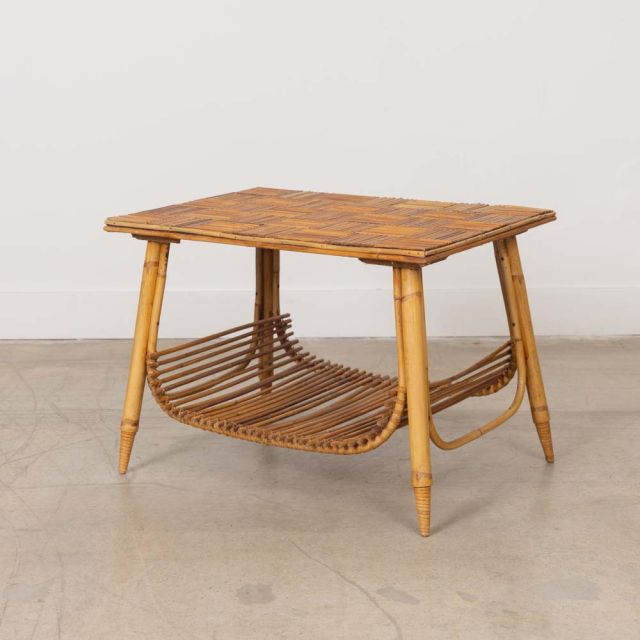
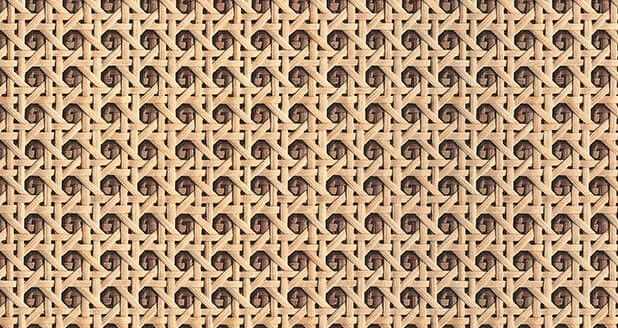
Rattan has long occupied a unique place in the world of furniture and interiors—at once informal and refined, lightweight yet enduring. Woven into the fabric of 20th-century European design, it offered an alternative to heavier materials, introducing a sense of ease and movement into interiors. Its appeal lies not only in its natural texture, but in the way it balances craftsmanship with simplicity—never overpowering a space, but always adding depth.
What Is Rattan?
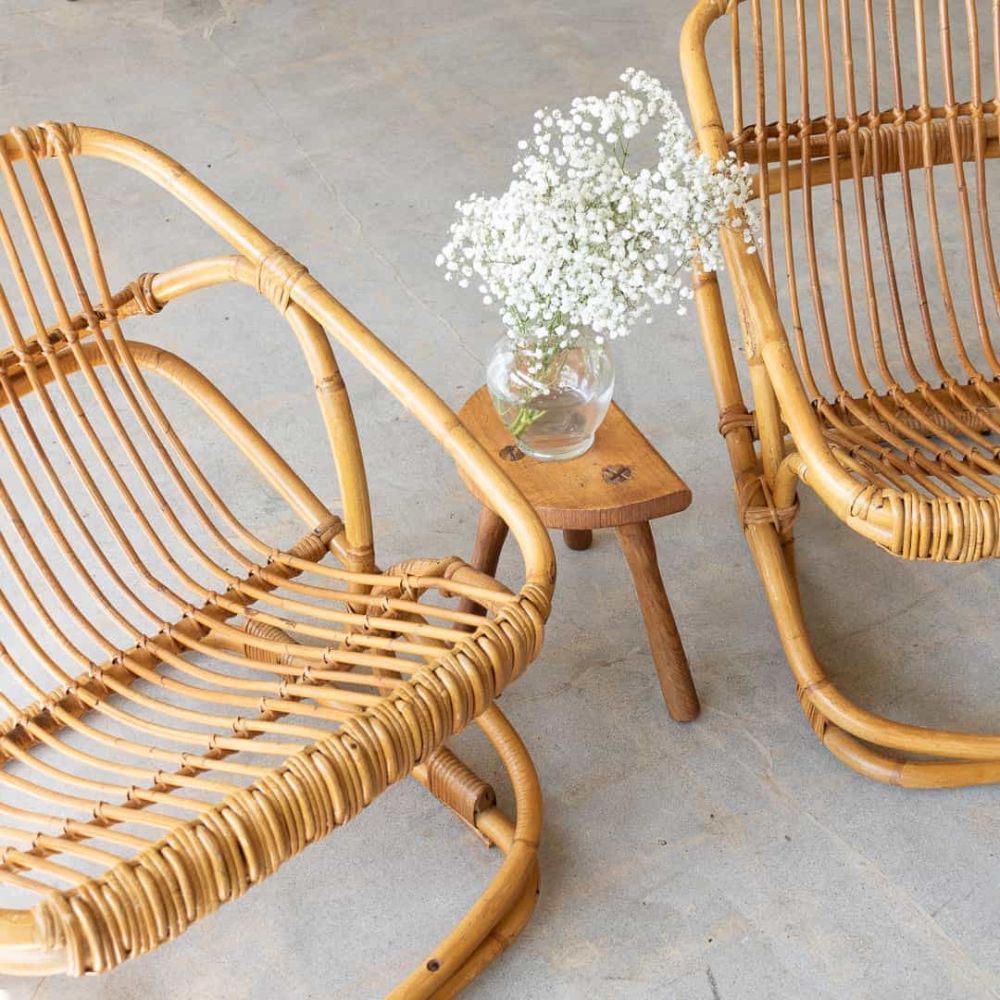
Rattan is a naturally renewable palm that grows in tropical regions, primarily in Southeast Asia. Unlike solid wood, it is both flexible and strong, allowing it to be bent, shaped, and woven into a wide range of forms. This versatility made it especially appealing to designers seeking materials that could support both structure and ornament.
Often confused with wicker—which refers to the weaving technique rather than the material itself—rattan can function as both the frame and the surface of a piece. This duality is part of what gives it such a distinct presence.
Rattan in 20th-Century European Design
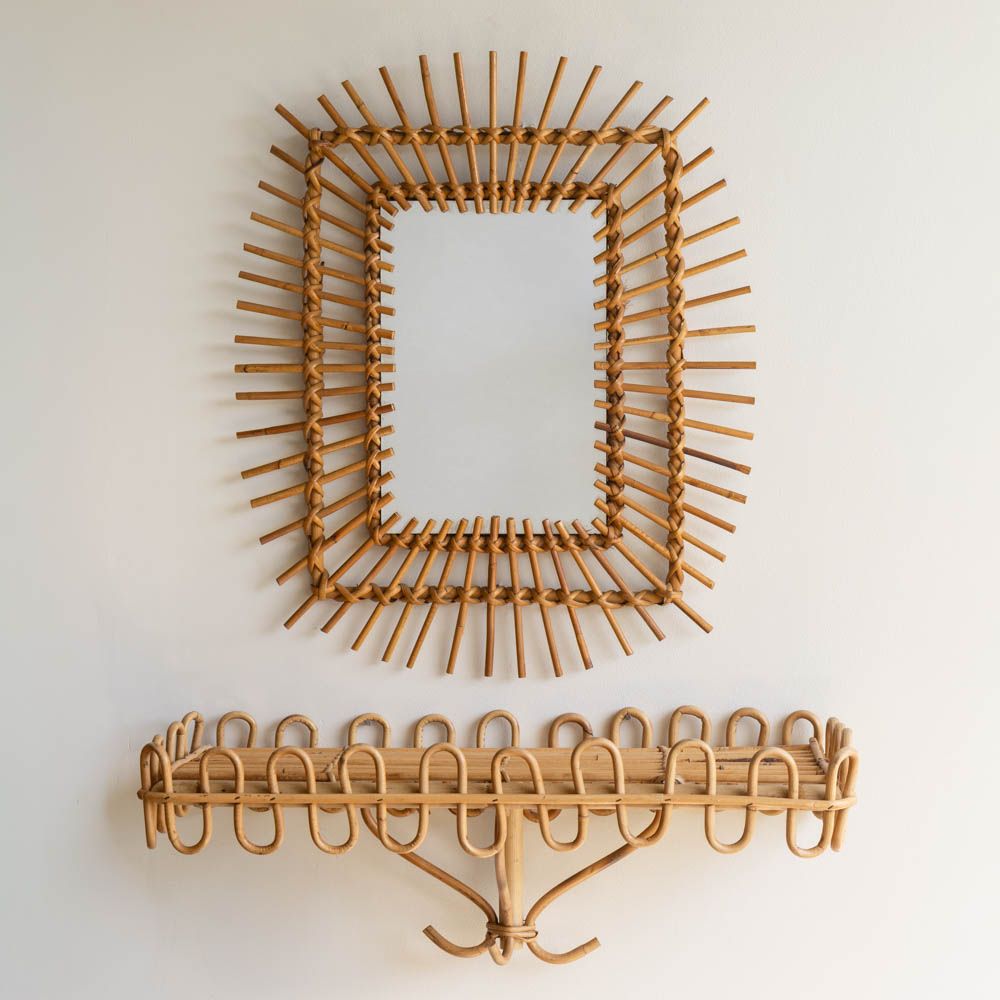
While rattan originates far from Europe, it became deeply embedded in European interiors throughout the 20th century. In France, Italy, and the Mediterranean, it was embraced for its ability to soften architectural spaces and introduce a more relaxed, tactile quality.
Designers like Franco Albini elevated rattan beyond the casual, creating sculptural forms that felt both modern and timeless. His work demonstrated how the material could be both structural and expressive—capable of holding space without visual heaviness.
Rattan also became closely associated with coastal and countryside living, though its use was never limited to these settings. In urban interiors, it offered contrast—bringing warmth and texture into otherwise minimal environments.
Craftsmanship & Construction
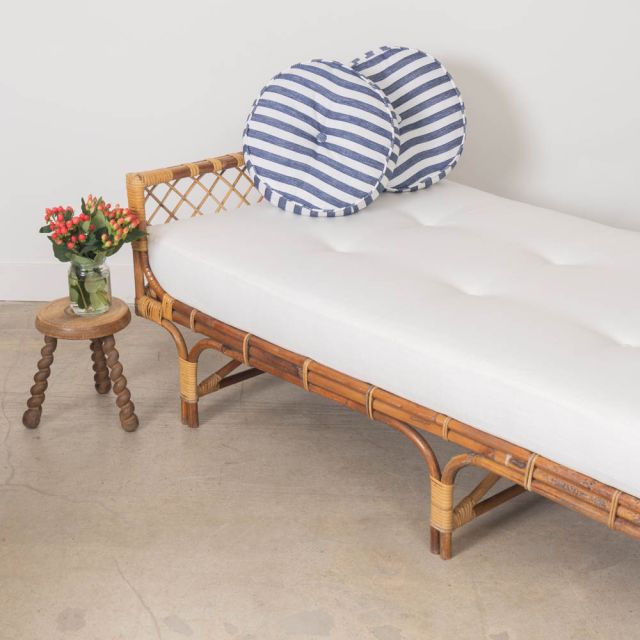
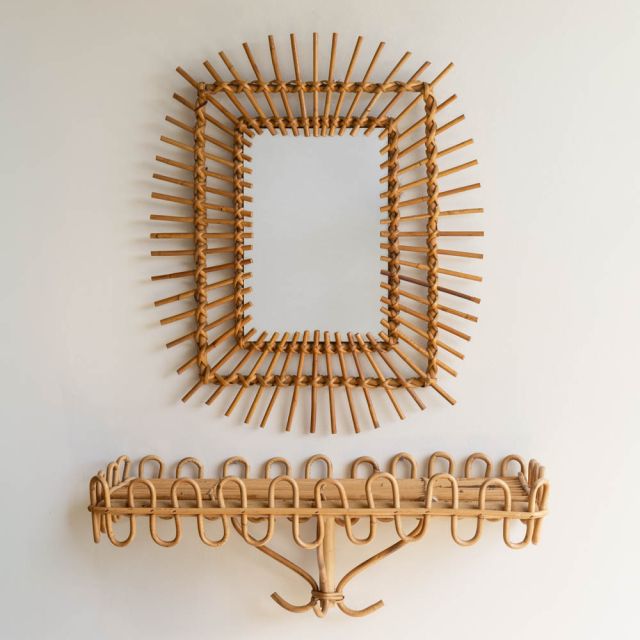
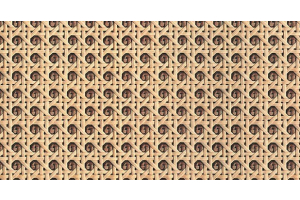
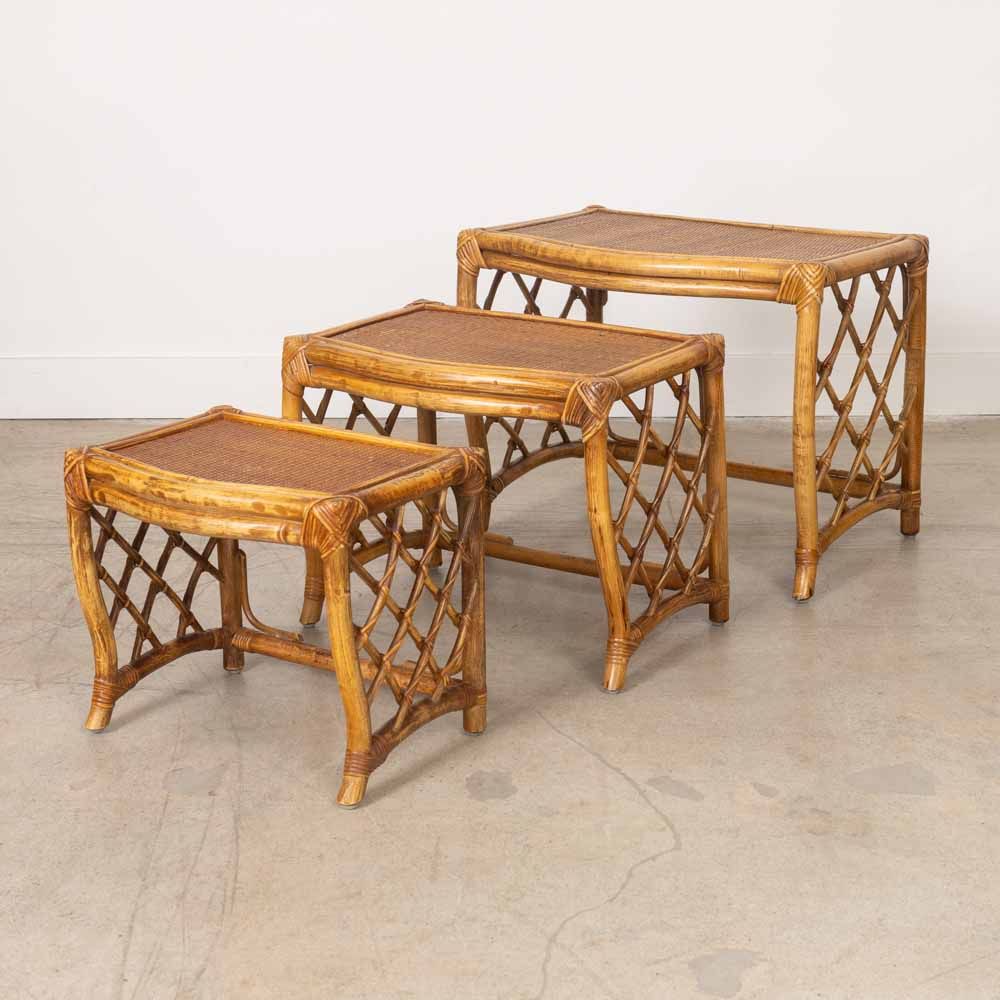
The making of rattan furniture is inherently hands-on. Lengths of rattan are steamed and bent into shape, forming frames that are then reinforced and wrapped. Surfaces are often woven using thinner strands, creating patterns that range from tight, uniform grids to more open, decorative weaves.
This process results in pieces that feel organic yet precise. Subtle variations in tone, tension, and weave give each object a sense of individuality—qualities that are increasingly rare in mass-produced furniture.
Why Rattan Endures
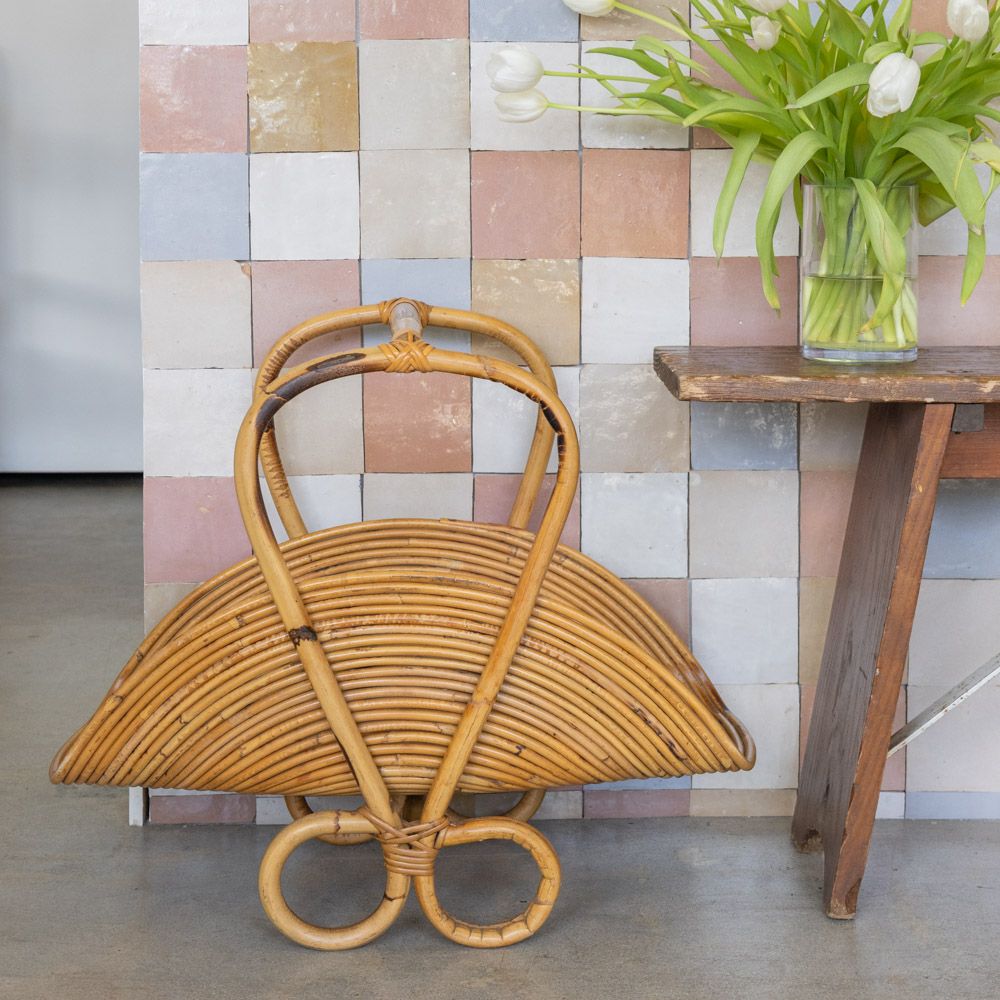
Rattan’s longevity comes from its balance of form and function. It is durable but lightweight, making it easy to move and adapt within a space. Visually, it carries a softness that complements both traditional and modern interiors.
It also responds well to layering. Paired with wood, metal, or upholstery, rattan introduces contrast without disruption. It can read as relaxed or refined depending on its context—equally at home in a pared-back interior or a more collected, layered environment.
Styling with Rattan
In contemporary spaces, rattan works best when used with intention. A single chair, bench, or console can introduce enough texture to shift the atmosphere of a room.
Consider:
- Pairing rattan with neutral textiles to emphasize its natural tone
- Using it alongside heavier materials like stone or metal for contrast
- Letting its form stand out by avoiding overly busy surroundings
The goal is not to create a themed interior, but to allow the material to speak for itself.
Rattan at Panoplie
At Panoplie, we’re drawn to rattan pieces that feel considered in both form and construction. Whether sculptural or minimal, these are objects that bring a sense of lightness without sacrificing presence.
Rattan offers something increasingly rare—a material that feels honest. Its structure is visible, its craftsmanship apparent, and its impact quietly transformative.