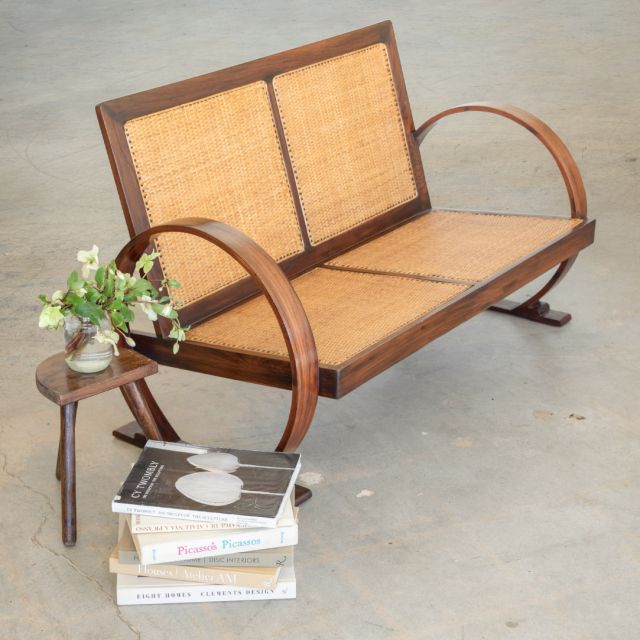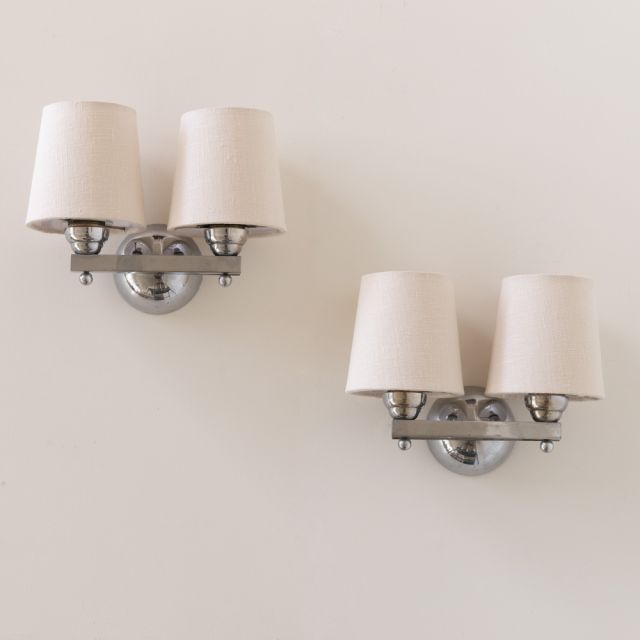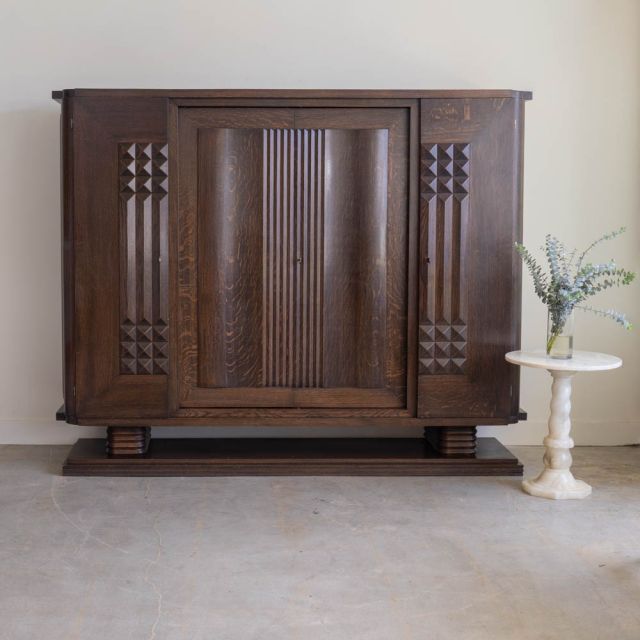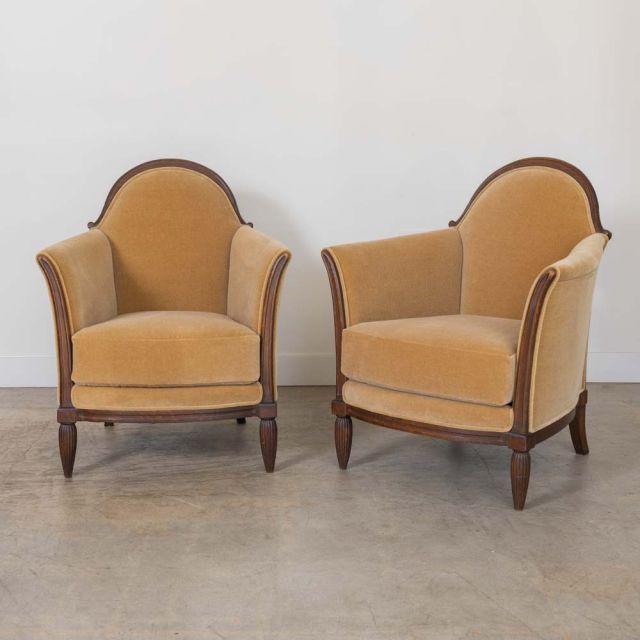

Emerging in the years between the First and Second World Wars, the Art Deco movement marked a turning point in how design was conceived, produced, and experienced across Europe. Rooted in a desire to break from tradition while still honoring craftsmanship, it introduced a new visual language defined by geometry, balance, and material richness. Nowhere was this more fully realized than in Paris, where designers and makers began to explore a refined modernism—one that felt both progressive and deeply considered. Across France and Western Europe, Art Deco became synonymous with a certain kind of quiet luxury: interiors that were structured yet expressive, decorative but never excessive. It reflected a broader cultural shift toward modern life—faster, more streamlined, and increasingly attuned to the relationship between form and function.
Origins in Paris
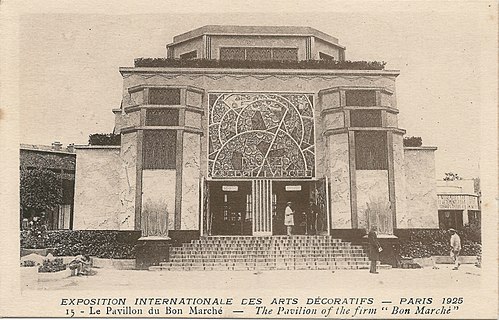
Art Deco as we know it took shape in 1920s Paris, crystallizing around the landmark Exposition Internationale des Arts Décoratifs et Industriels Modernes. This moment wasn’t just a showcase—it was a declaration of a new aesthetic language. Moving away from the fluid ornamentation of Art Nouveau, Art Deco embraced clarity, symmetry, and a distinctly modern sense of luxury.
From Paris, the style quickly spread across Western Europe, influencing interiors, architecture, and furniture design in countries like Belgium, Italy, and the Netherlands. It became the visual identity of a continent stepping into modernity—refined, optimistic, and forward-looking.
Defining the Style
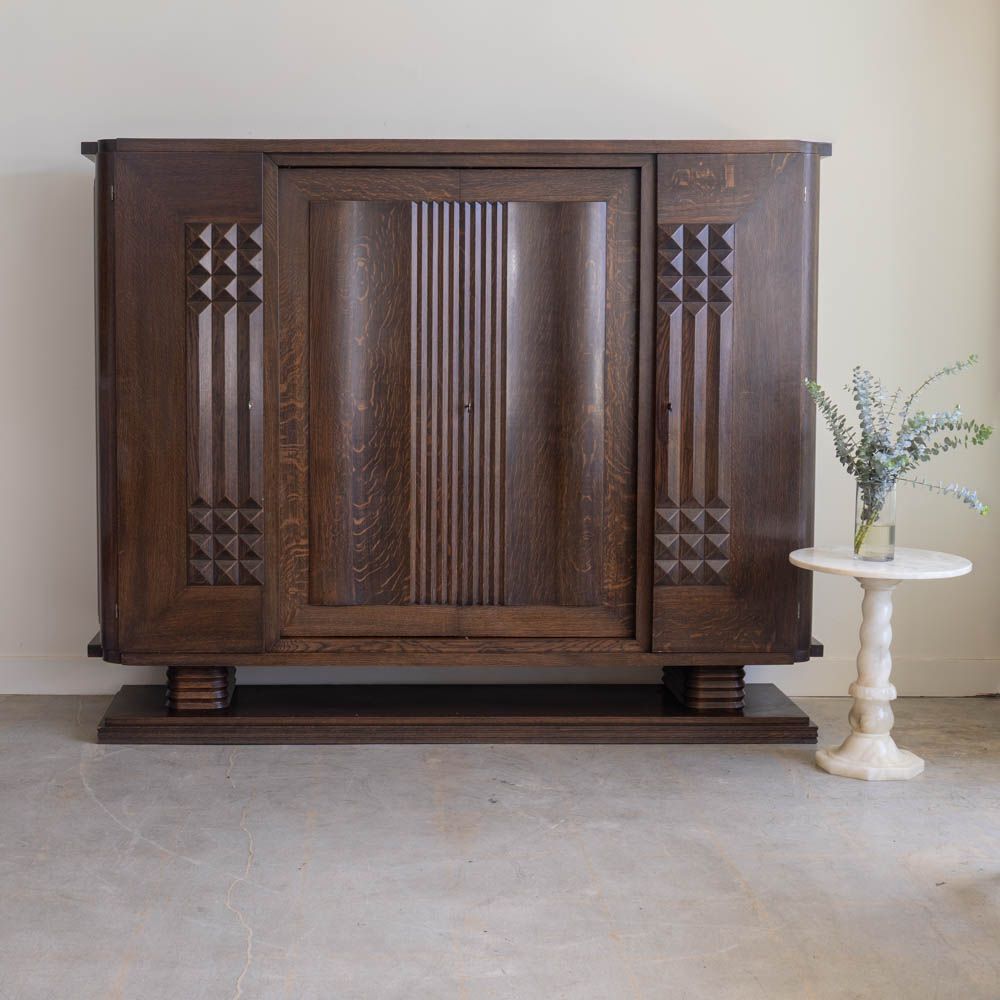
Art Deco furniture is immediately recognizable for its balance of restraint and richness. Clean, geometric lines form the foundation, but they’re elevated through materials and detailing that feel unapologetically luxurious.
Common characteristics include:
- Strong silhouettes with symmetrical compositions
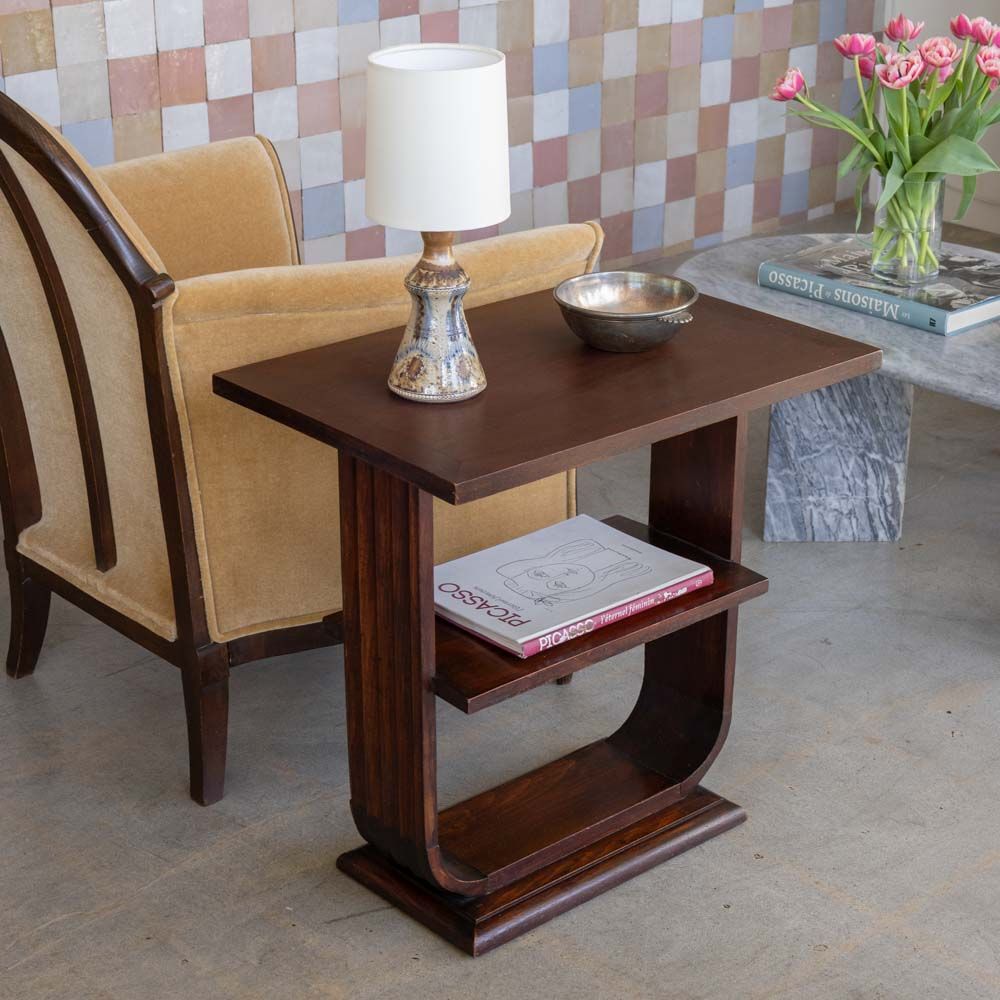
- Streamlined forms with subtle curvature
- High-contrast materials and finishes
- Decorative elements that feel controlled, not excessive
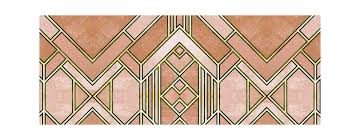
Motifs often drew from industry and progress—sunbursts, stepped forms, and repeating patterns that echoed the rhythm of machines and the speed of a changing world.
Materials & Craftsmanship
One of the defining aspects of Art Deco in France and Western Europe is its materiality. This was a period where craftsmanship met innovation.
Designers favored:
- Exotic woods like macassar ebony and rosewood
- Lacquered finishes with a deep, reflective surface
- Chrome and steel accents, signaling modern industry
- Inlays of ivory, shagreen, or mother-of-pearl
French designers in particular elevated furniture-making into an art form, blending traditional cabinetmaking techniques with bold, modern compositions. The result is furniture that feels both precise and expressive—objects that carry weight without heaviness.
Key Designers of the Movement
Several figures helped define the Art Deco aesthetic across France and Western Europe:
- Émile-Jacques Ruhlmann — Known for his refined, impeccably crafted pieces that embodied quiet luxury
- Jean-Michel Frank — Favored minimal forms with rich, tactile materials like parchment and shagreen
- Eileen Gray — Bridged Art Deco with modernism, introducing a more experimental, architectural approach
Each brought a slightly different interpretation, but all contributed to a shared language of elegance and modernity.
Beyond France: A Western European Dialogue
While Paris was the epicenter, Art Deco evolved as it moved outward. In Belgium and the Netherlands, the style often took on a slightly more restrained, architectural quality. In Italy, it leaned more expressive—sometimes bordering on theatrical.
This regional variation is part of what makes collecting Art Deco so compelling. A cabinet from France may emphasize material richness, while a Dutch piece might highlight structure and proportion. Together, they reflect a broader European conversation about design in the early 20th century.
Art Deco Today
What makes Art Deco endure is its ability to feel both historic and current. Its geometry aligns naturally with contemporary interiors, while its materials bring warmth and depth.
In today’s spaces, a single Art Deco piece—a console, a cabinet, a pair of chairs—can anchor a room. It introduces a sense of intention, a quiet confidence that doesn’t rely on excess.
Art Deco at Panoplie
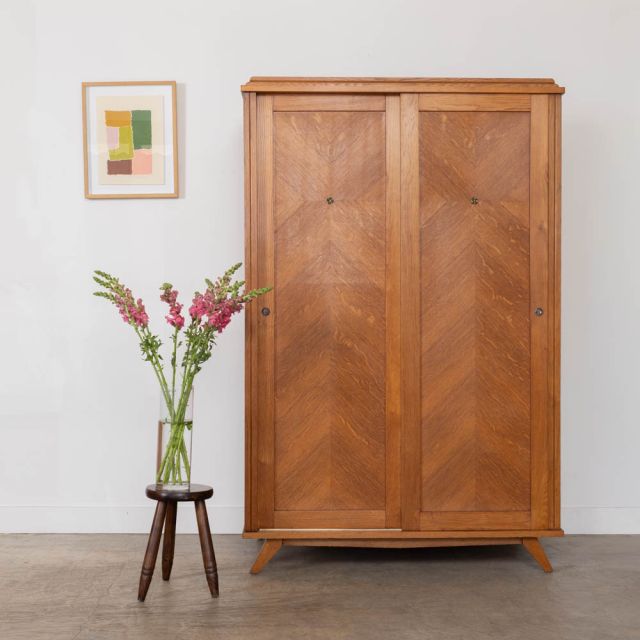
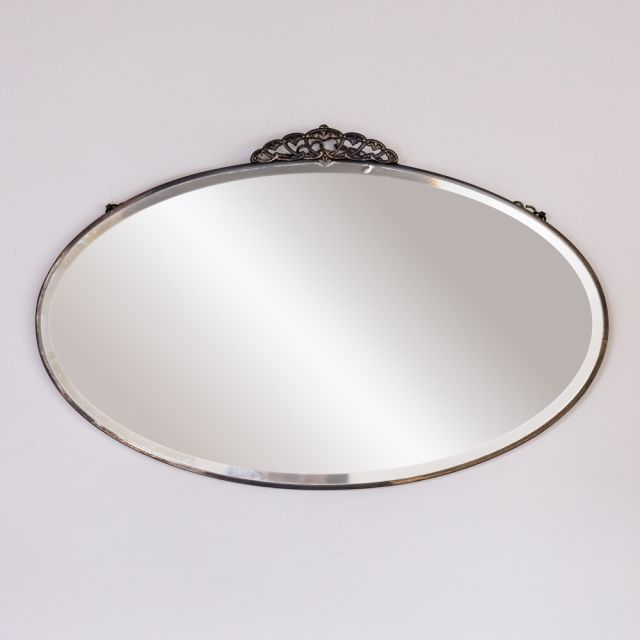
At Panoplie, our approach to Art Deco is guided by the same principles that defined the movement: clarity, materiality, and presence. We gravitate toward pieces that feel architectural yet refined—objects that hold their own without overwhelming a space.
Whether it’s a lacquered cabinet from France or a sculptural console sourced in Italy, these works carry a sense of permanence. They’re not just decorative—they shape the atmosphere of a room.