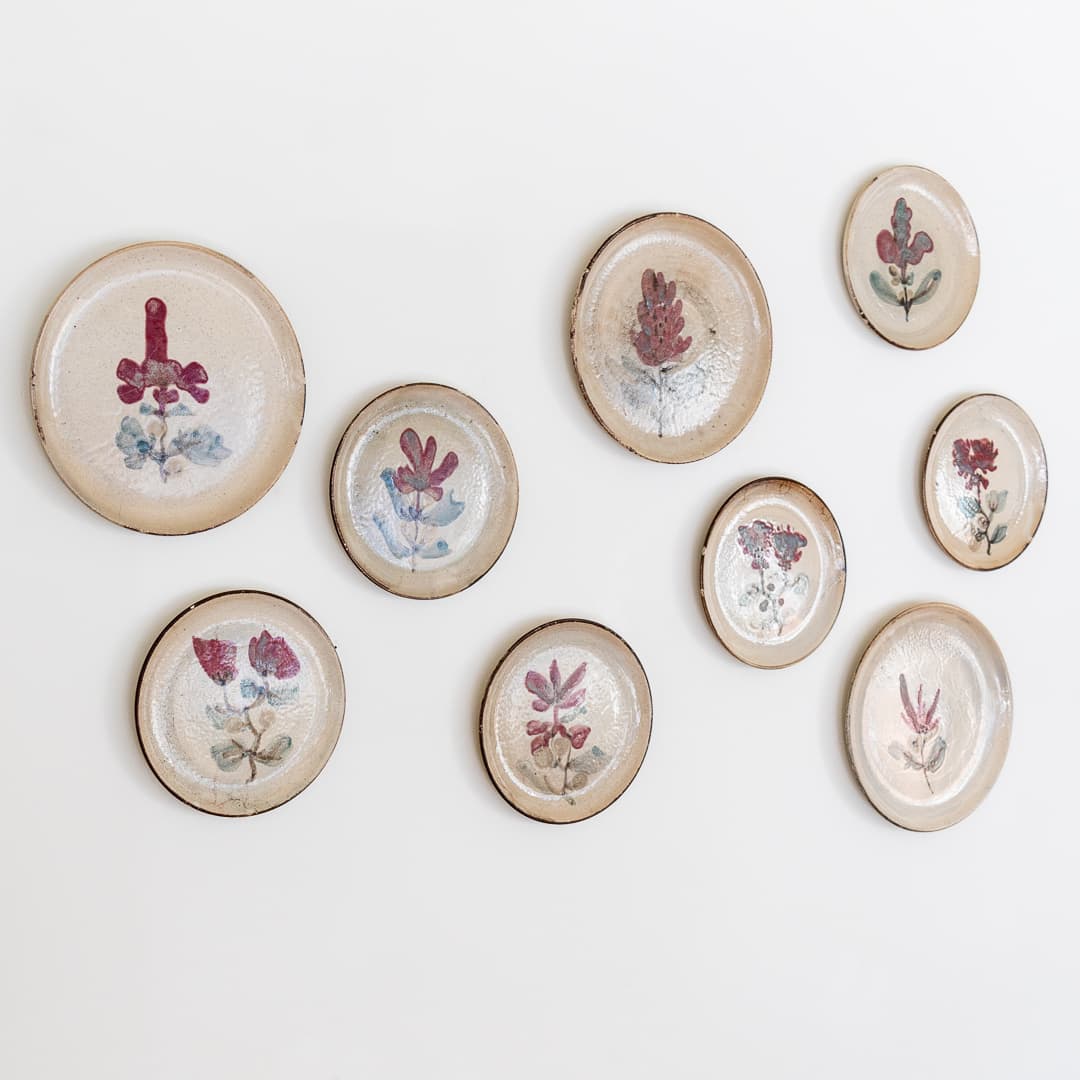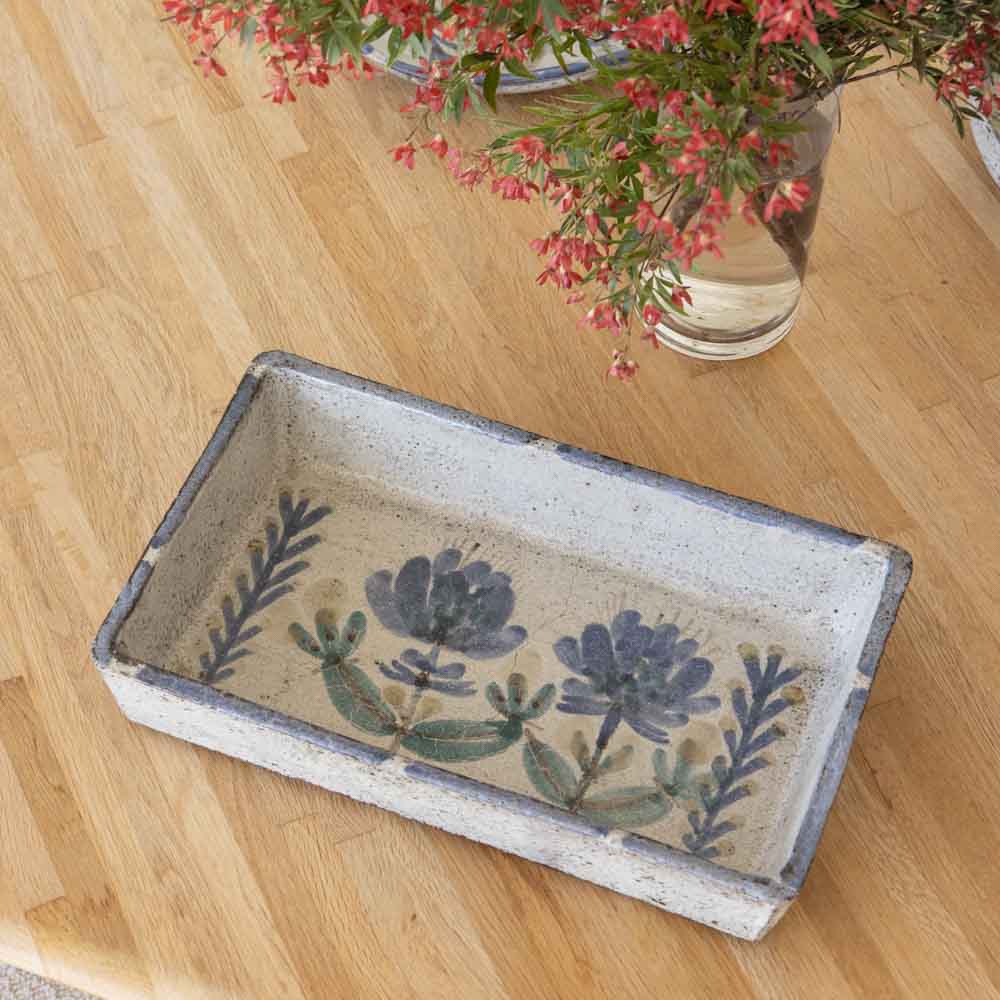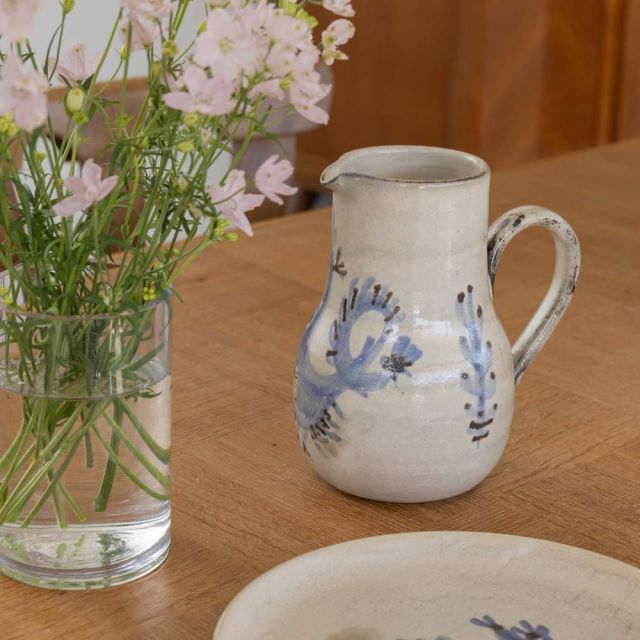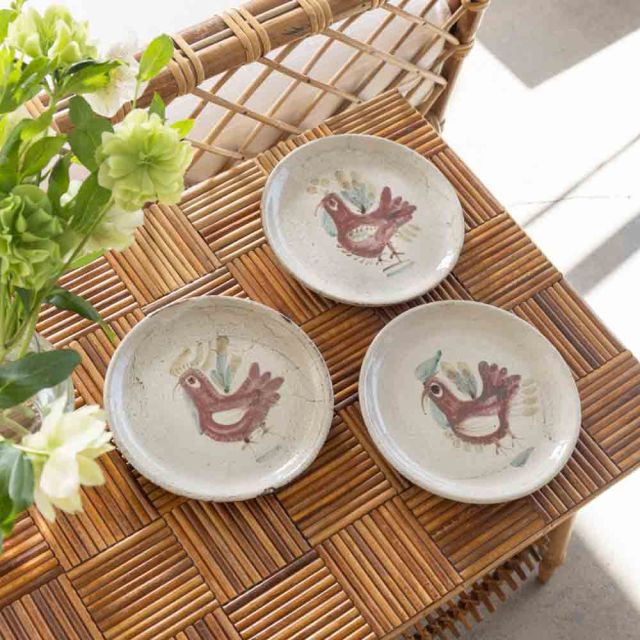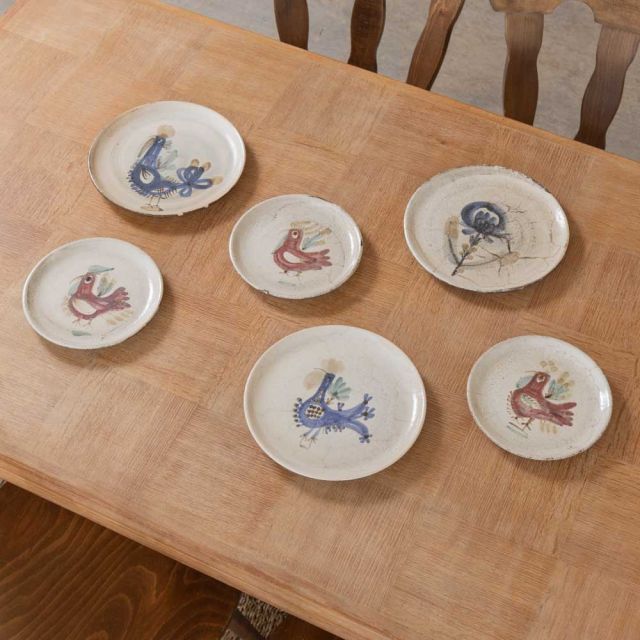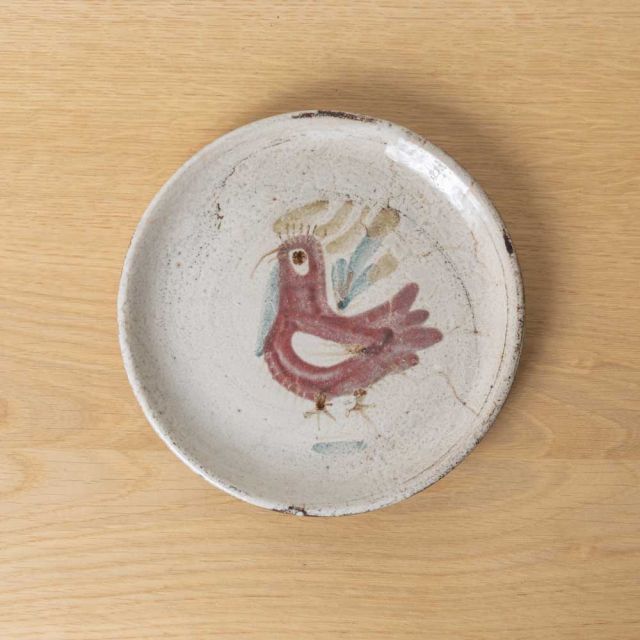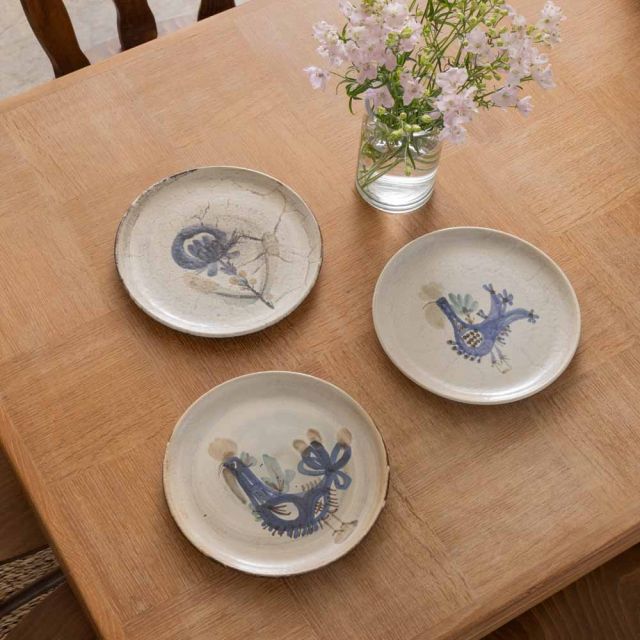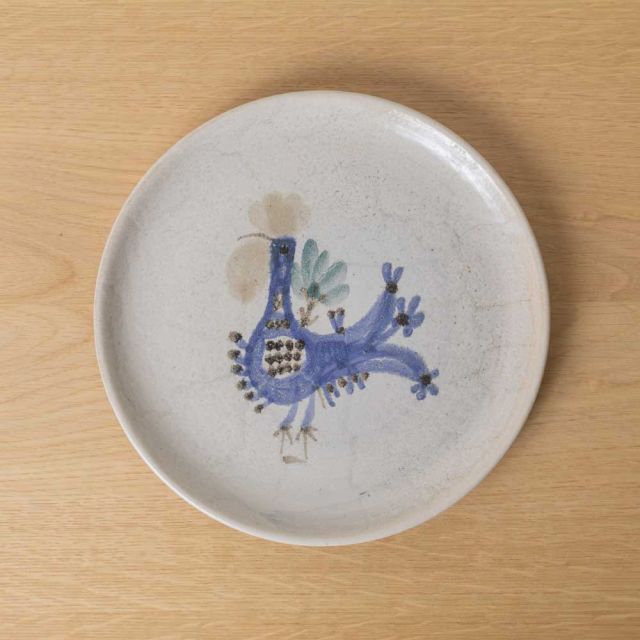
Gustave Reynaud’s ceramics occupy a distinctive place within mid-century French design — quietly confident, materially rich, and enduringly relevant. His work is defined not by excess or ornament, but by balance: proportion held in tension with surface, structure softened by glaze. Decades later, his vessels continue to resonate for their sculptural presence and restrained beauty, embodying a philosophy of craft that feels both grounded and timeless.
A Life in Clay
Gustave Reynaud (1915–1972) was a French ceramicist whose work reflects the disciplined elegance of mid-century studio pottery. Working during a period of renewed interest in artisanal craft, Reynaud devoted himself to refining traditional forms rather than radically reinventing them.
His practice centered on vases, pitchers, and decorative vessels — archetypal shapes distilled to their most balanced proportions. There is a clarity to his work: nothing extraneous, nothing unresolved. Each curve, rim, and handle feels deliberate.
The Language of Glaze
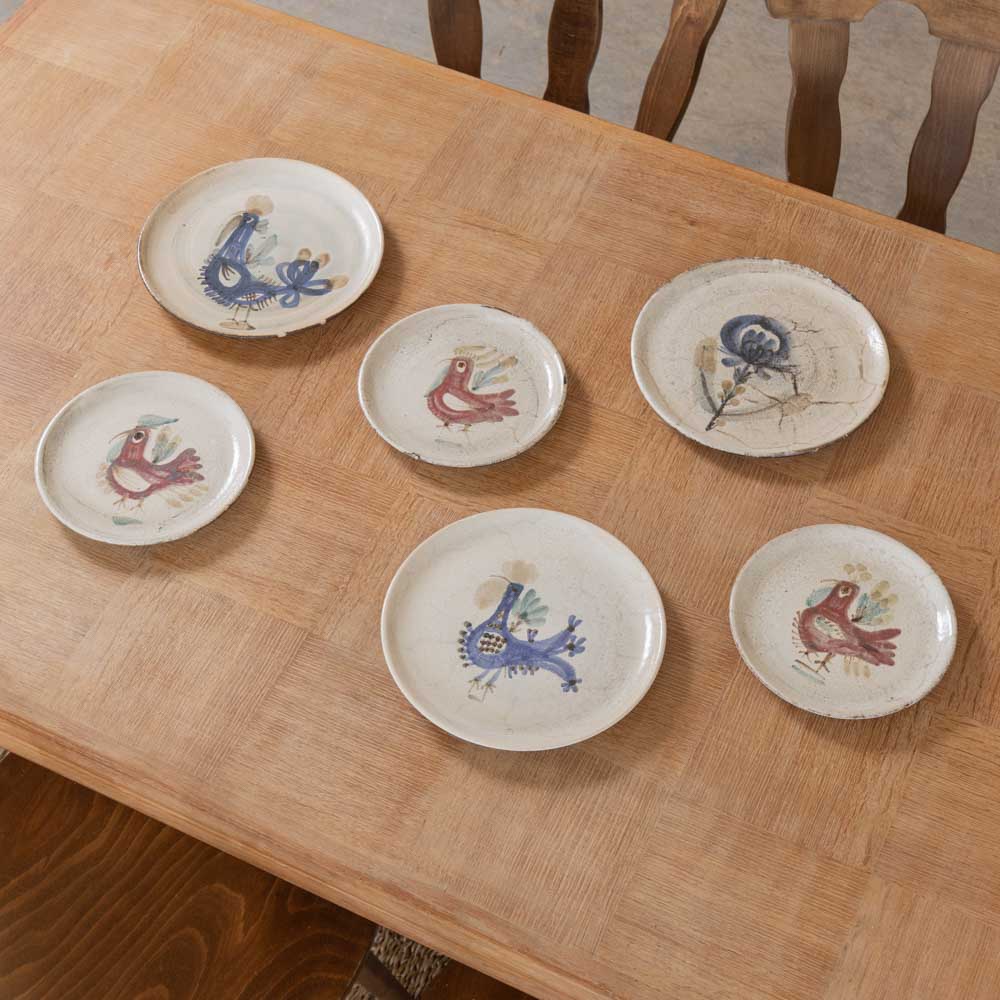
Reynaud’s surfaces are where his sensitivity truly emerges. He favored matte and satin glazes in earthy blacks, chalky whites, warm browns, and muted celadon tones. These finishes soften the structure of the clay while enhancing its depth and tactility.
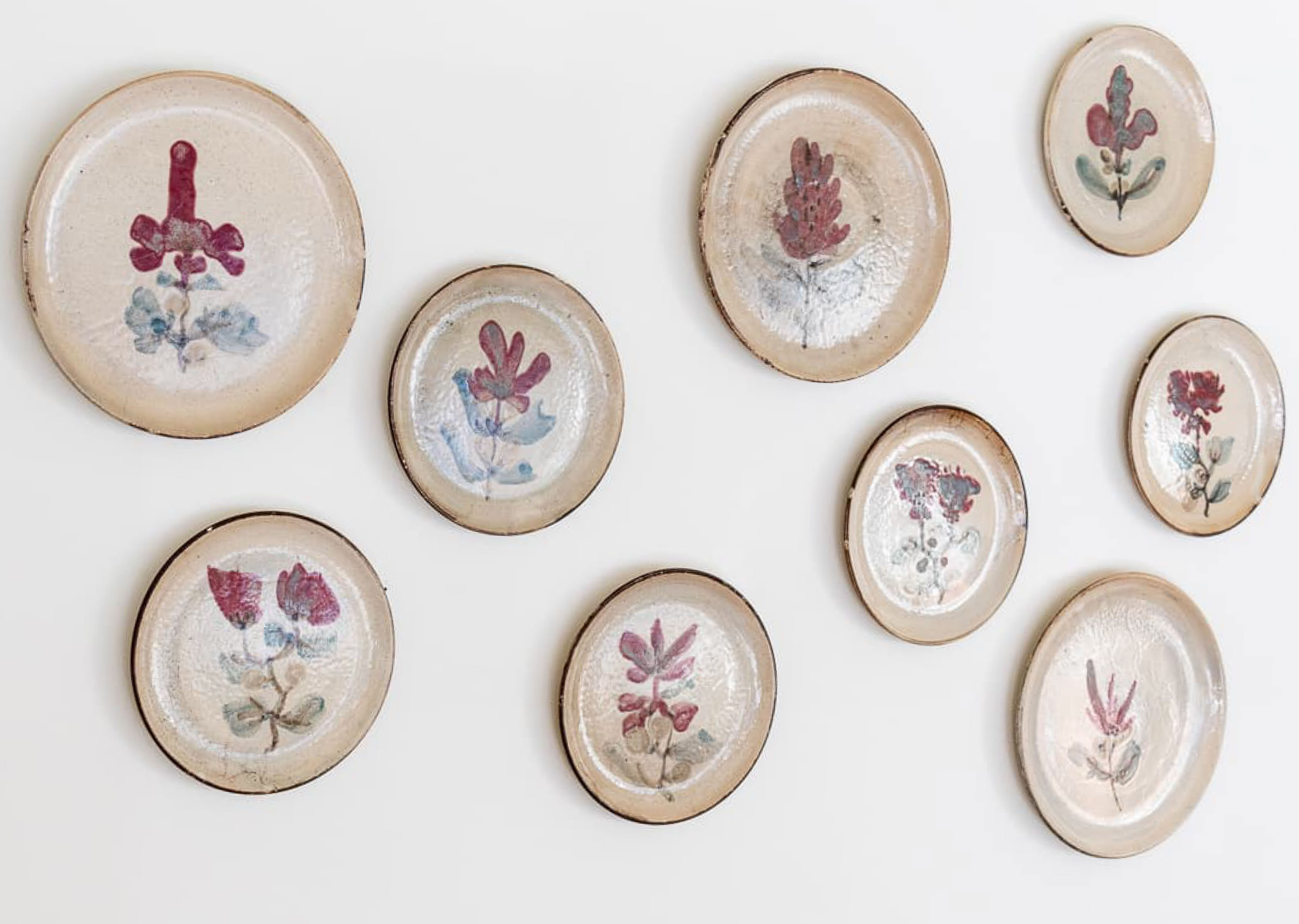
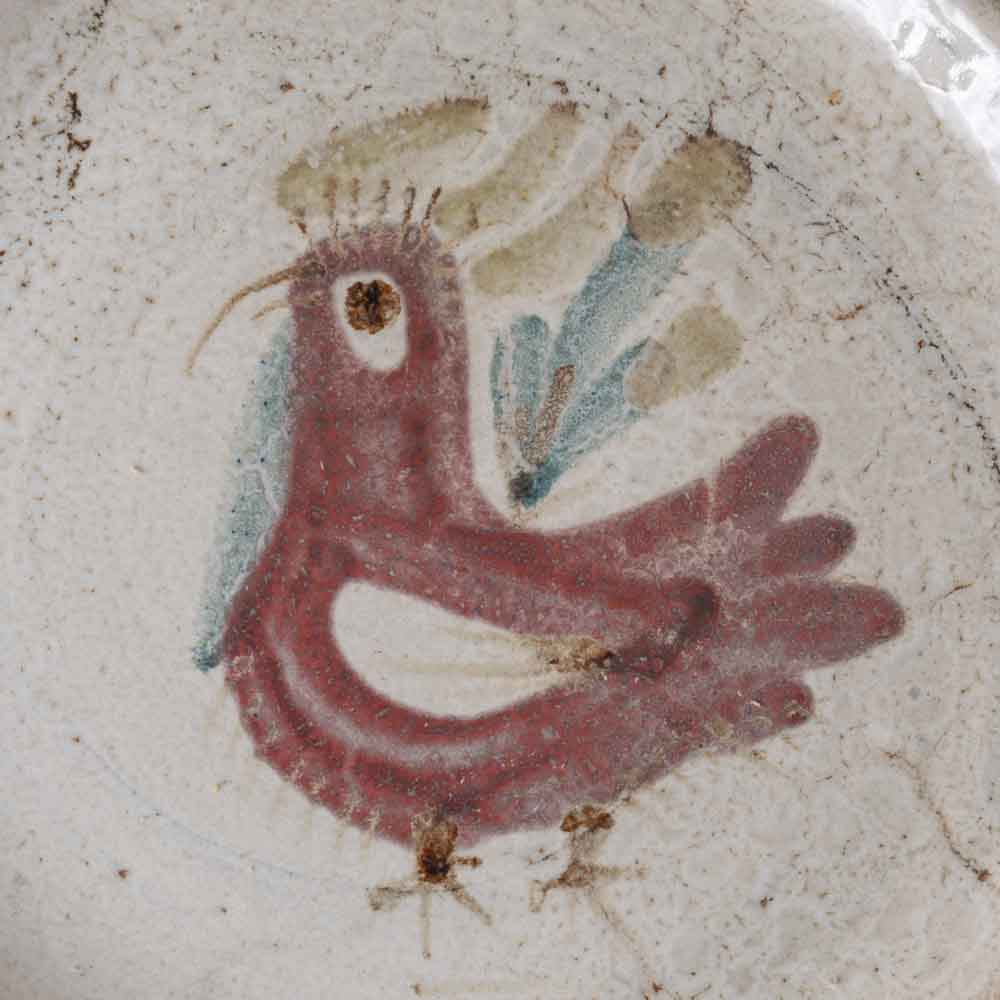
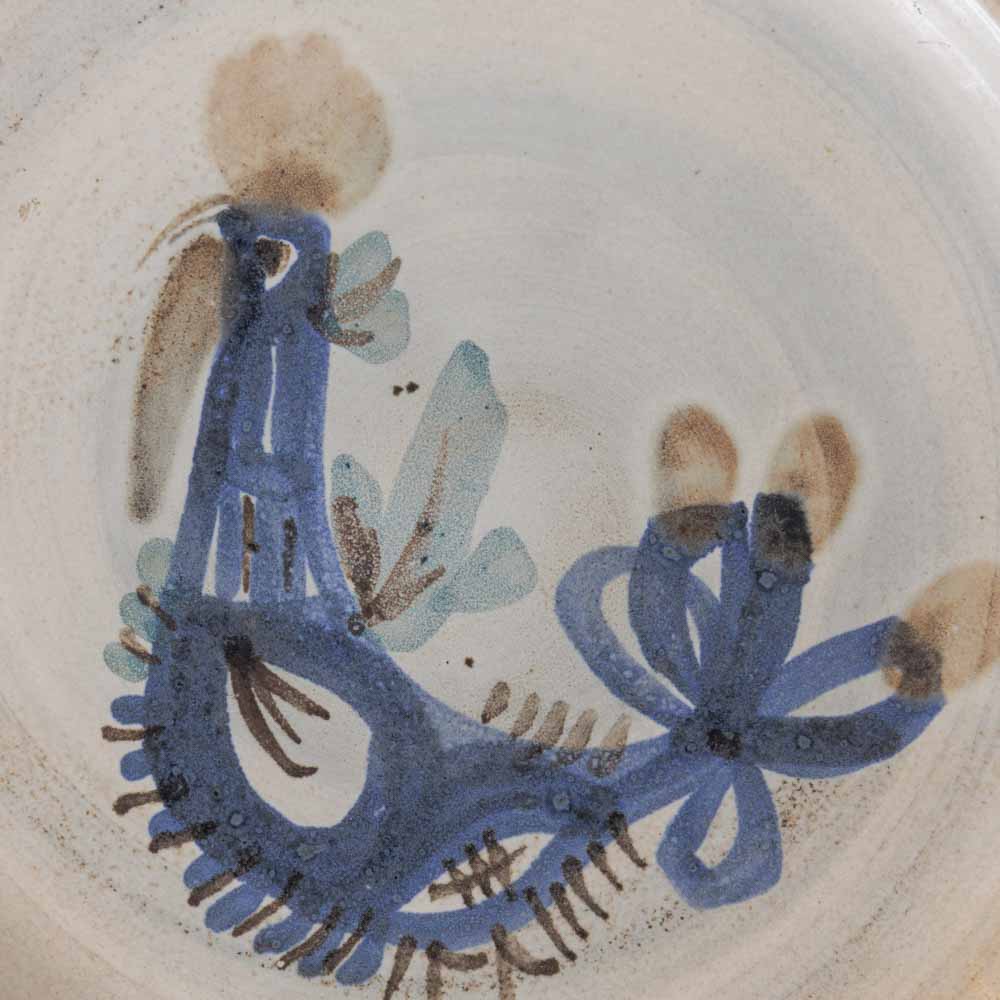
Many pieces are adorned with abstracted birds, fish, foliage, or stylized female figures rendered in fluid, almost calligraphic lines. The decoration feels inseparable from the form itself — etched, painted, or incised in a way that follows the natural movement of the vessel. Rather than dominating the piece, the imagery enhances its rhythm.
Light interacts beautifully with his glazes, pooling in recesses and catching along edges, revealing subtle tonal shifts.
Form as Sculpture
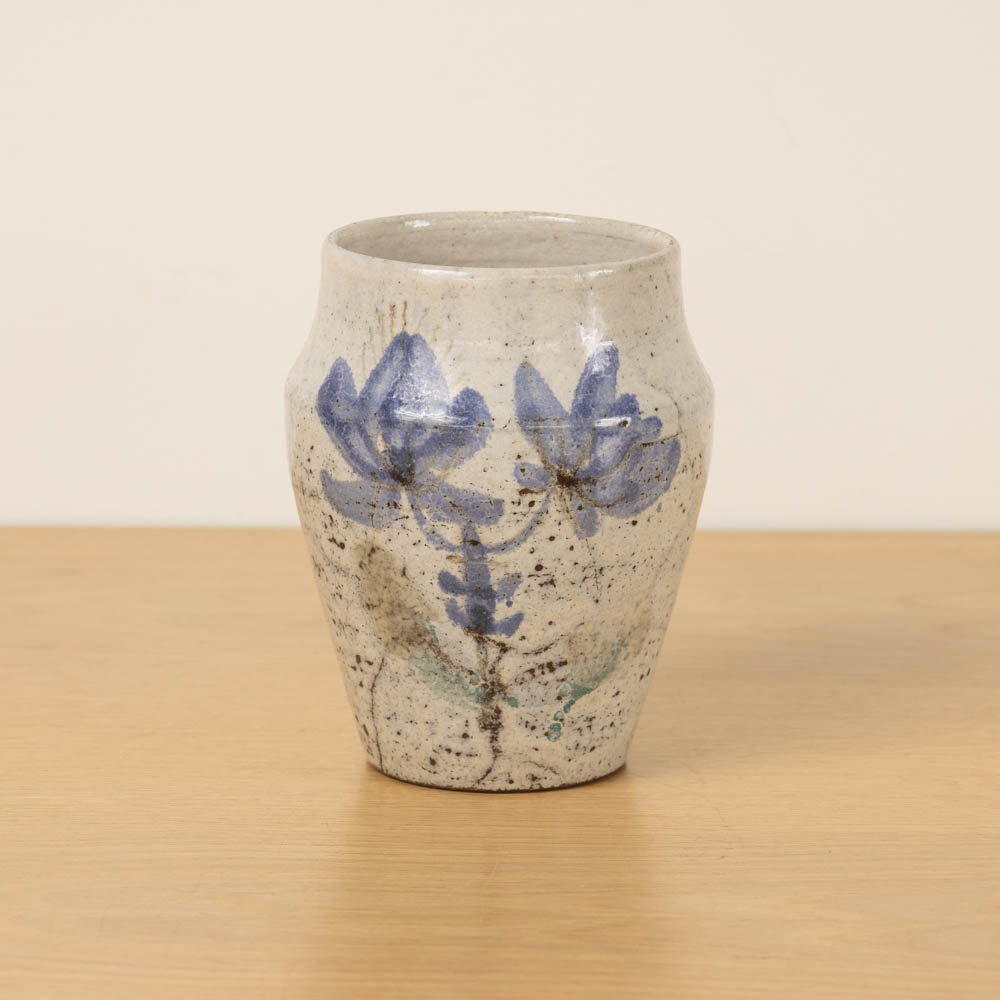
Though functional in origin, Reynaud’s ceramics often read as sculptural objects. Bodies taper gently before widening at the shoulder; rims flare outward with restraint; handles curve in quiet, expressive arcs.
Even in smaller works, there is a sense of weight and composure. His pieces feel grounded — substantial without heaviness. This balance between strength and softness gives his ceramics their enduring relevance.
In the Interior
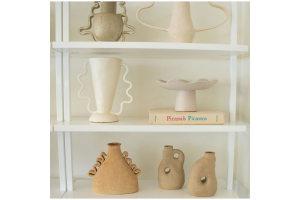
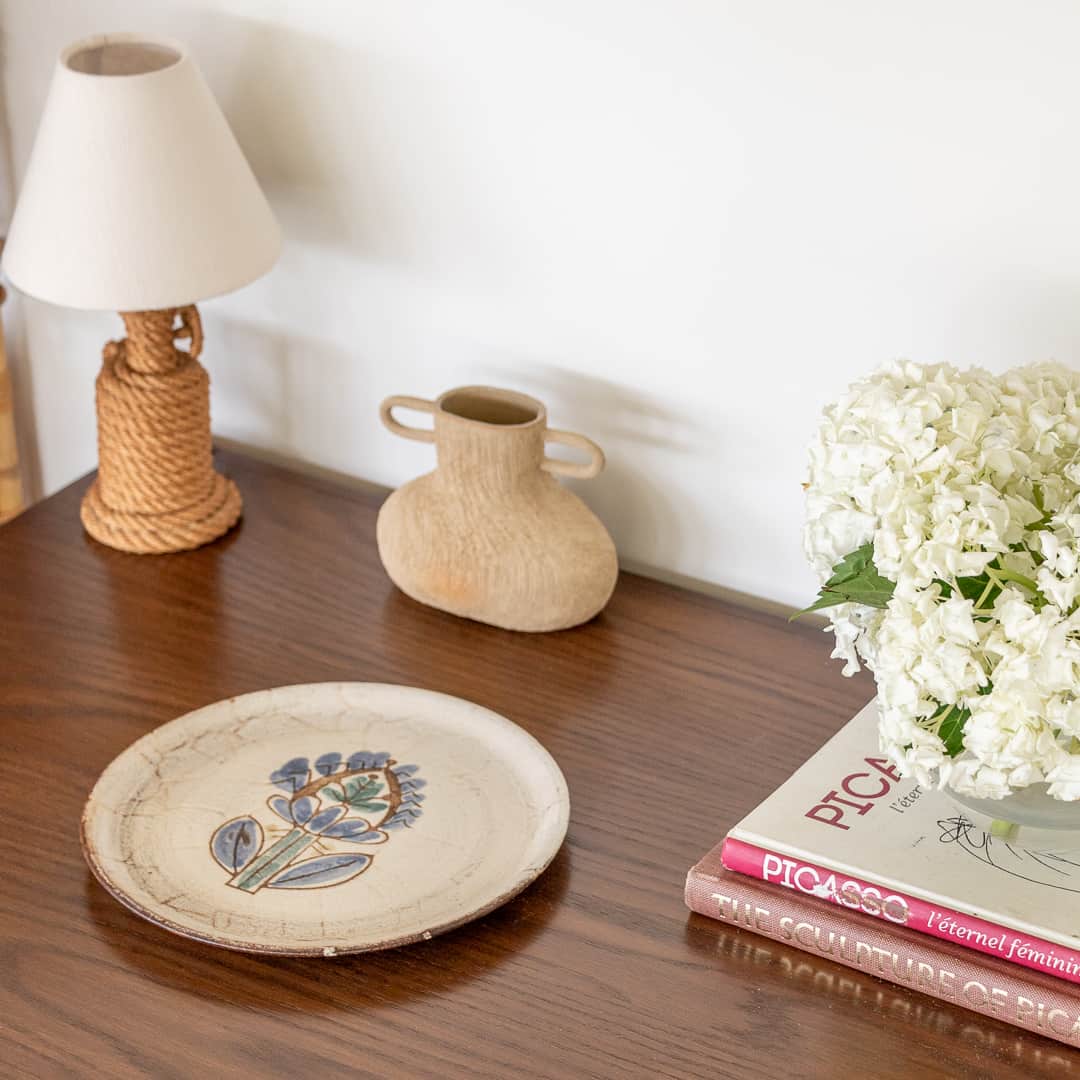
Reynaud’s work translates seamlessly into contemporary spaces. The natural palette pairs effortlessly with wood, stone, linen, and patinated metals. His vessels add texture without visual noise, offering depth through material rather than ornament.
Placed on a console, shelf, or dining table, a Reynaud piece brings structure and warmth at once — an object that anchors without overwhelming.
Gustave Reynaud at Panoplie
At Panoplie, we’re drawn to Gustave Reynaud’s ceramics for their restraint and quiet confidence. His work aligns with the principles that guide our curation: thoughtful proportion, honest materials, and objects that age gracefully.
A Reynaud vessel does not compete for attention. It settles into a space, revealing its character slowly — and beautifully — over time.