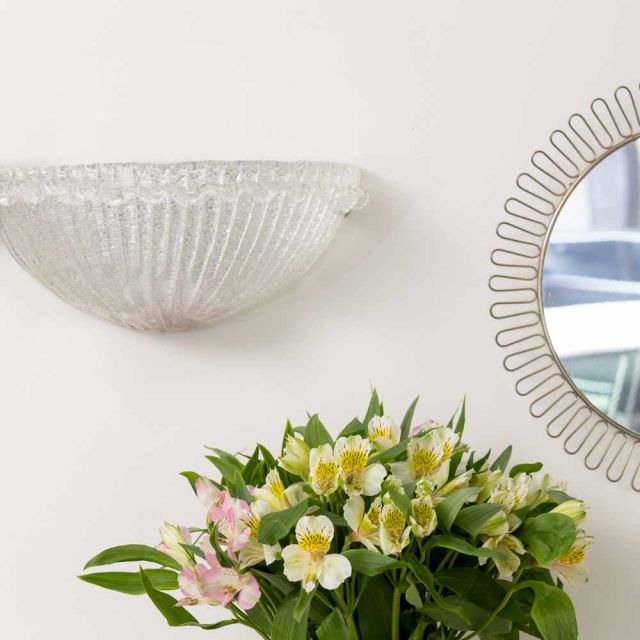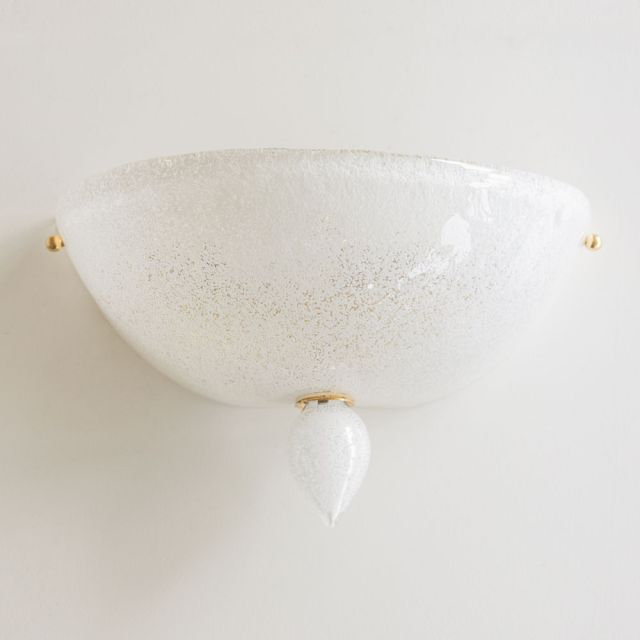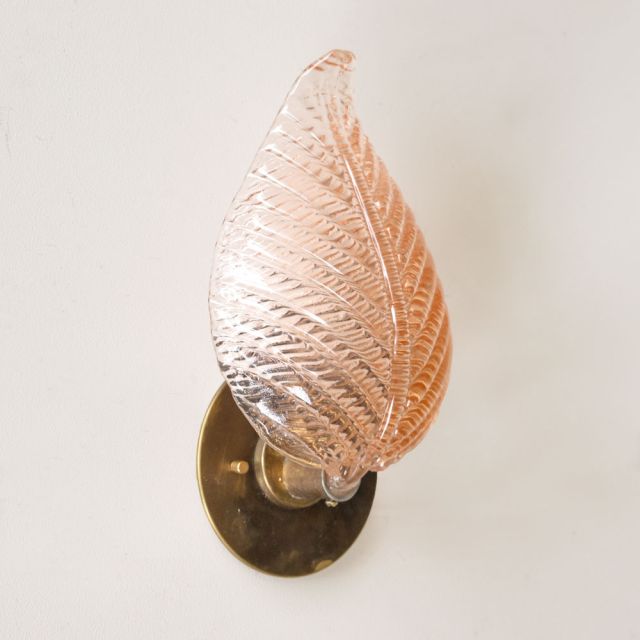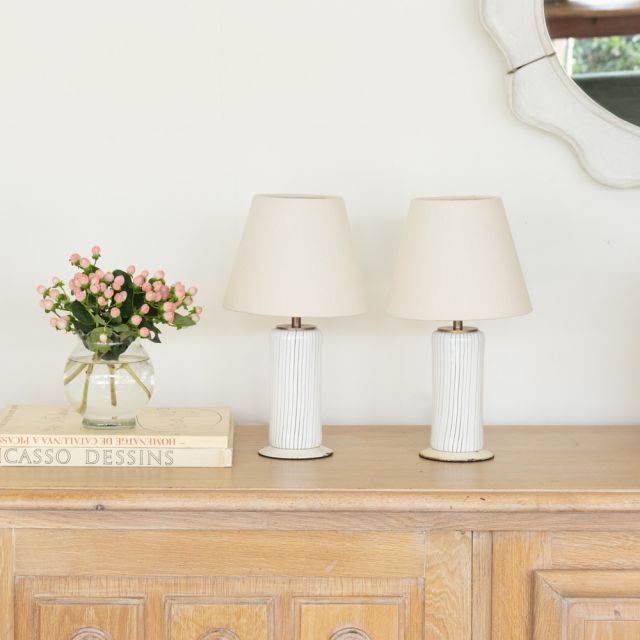
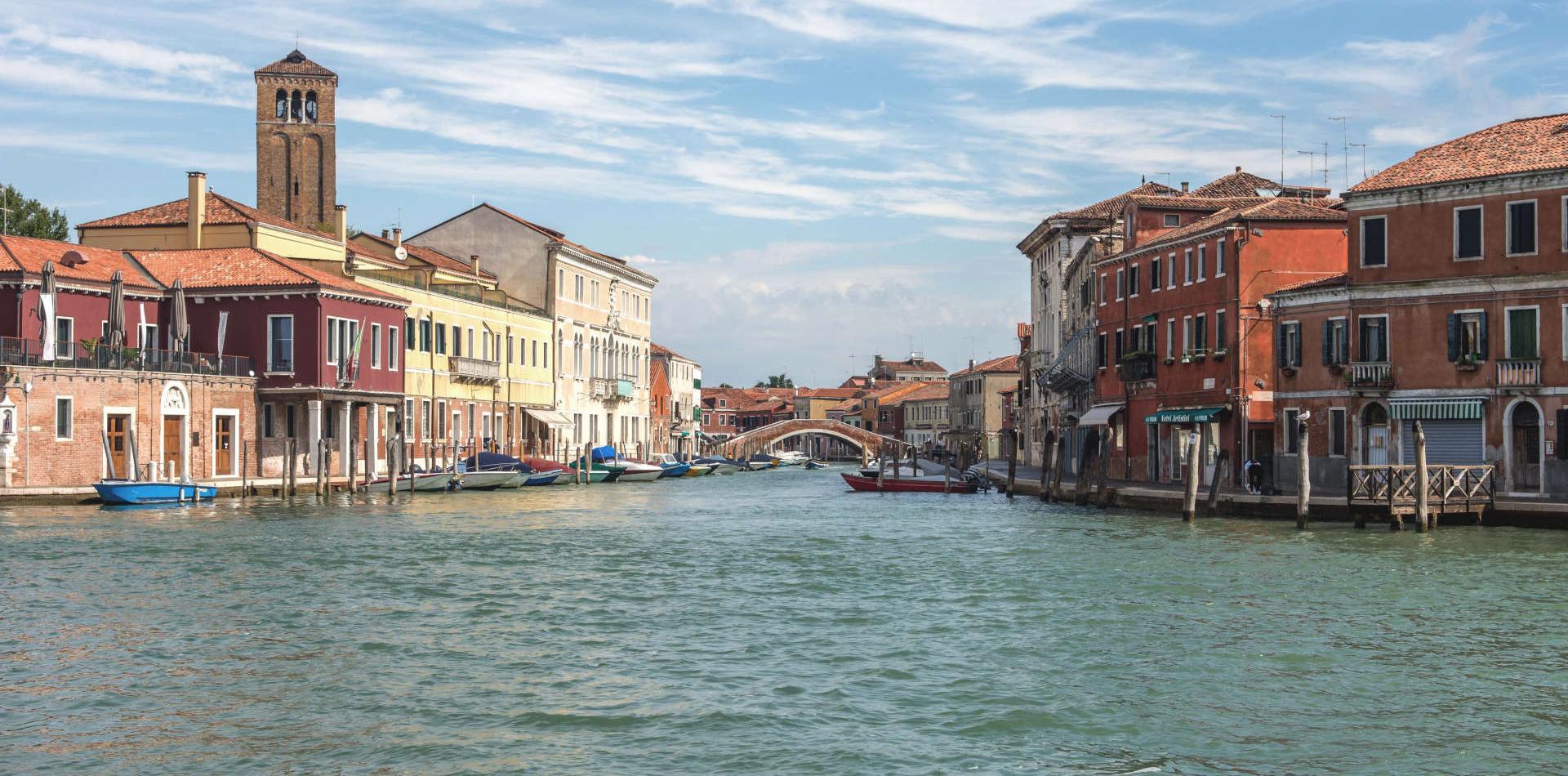
Few objects capture light with the same poetry as Murano glass. At once delicate and assured, these pieces are the result of centuries of experimentation, restraint, and mastery—crafted on a small cluster of islands in the Venetian lagoon, where glassmaking became both an art form and a guarded legacy.
An Island Devoted to Craft
Murano’s rise as a glassmaking center dates to the late 13th century, when Venetian authorities moved furnaces from the city to the islands to reduce the risk of fire and to protect closely held techniques. What followed was an extraordinary concentration of knowledge. Glassmakers refined their methods over generations, developing innovations that would influence decorative arts across Europe.
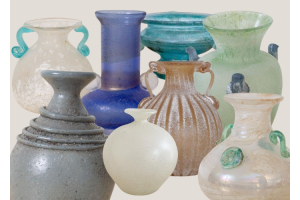
Among Murano’s most celebrated contributions is cristallo—remarkably clear glass that rivaled rock crystal—and techniques such as filigrana (delicate lattices of white threads), millefiori (fields of sliced glass canes), and richly colored sommerso, where layers of contrasting hues appear suspended within one another. Each method requires not only technical skill, but precise timing and intuition—qualities that separate Murano glass from industrial production.
Form, Function, and Expression
While Murano glass is often associated with sculptural objects, its history is rooted equally in functional design. Vases, bowls, tableware, lighting, and mirrors were made to be lived with, their beauty revealed through daily use. Over time, collaborations between master glassblowers and forward-thinking designers pushed forms toward the modern—introducing cleaner lines, bolder proportions, and an expressive use of color.
The postwar period in particular saw Murano embrace abstraction and experimentation. Pieces from this era balance elegance with a sense of freedom, making them especially compelling in contemporary interiors.
Authenticity and the Hand of the Maker
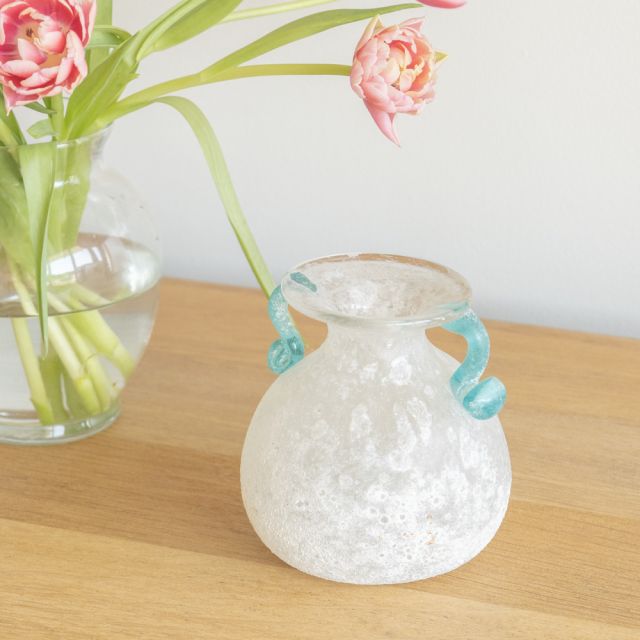
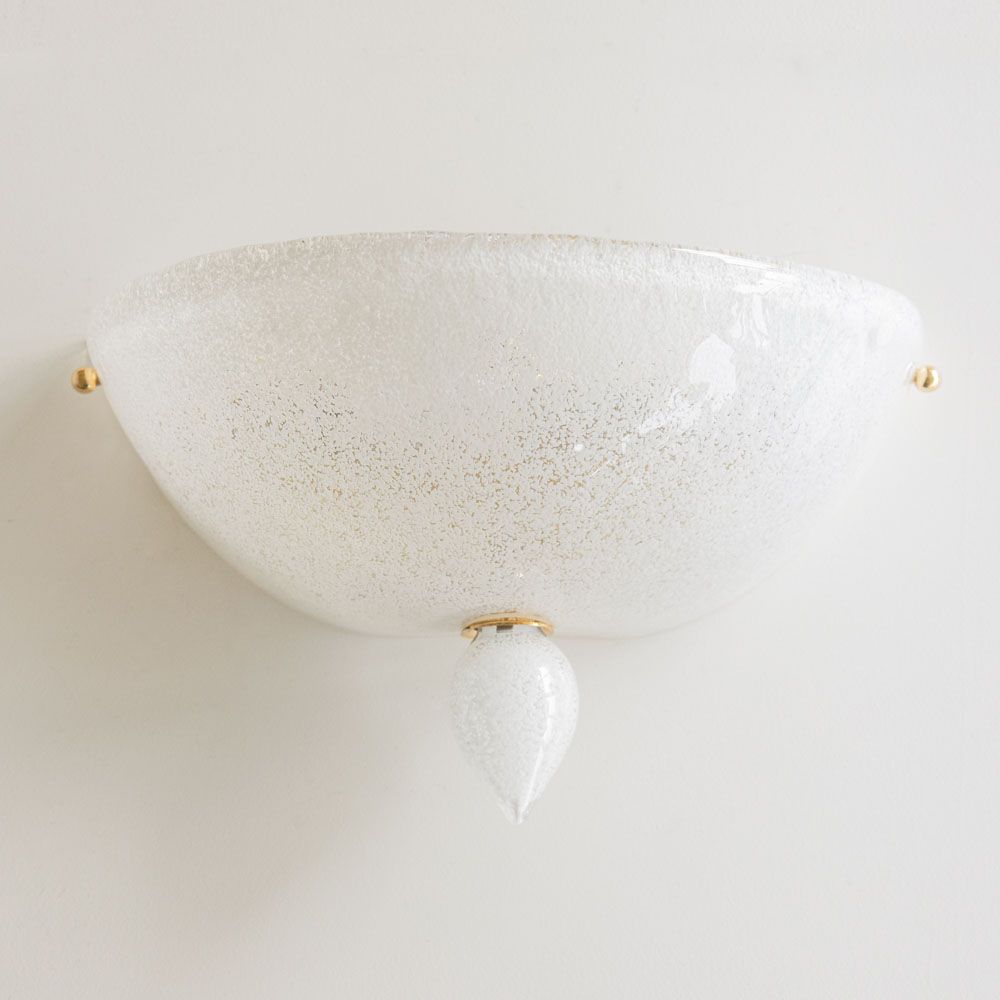
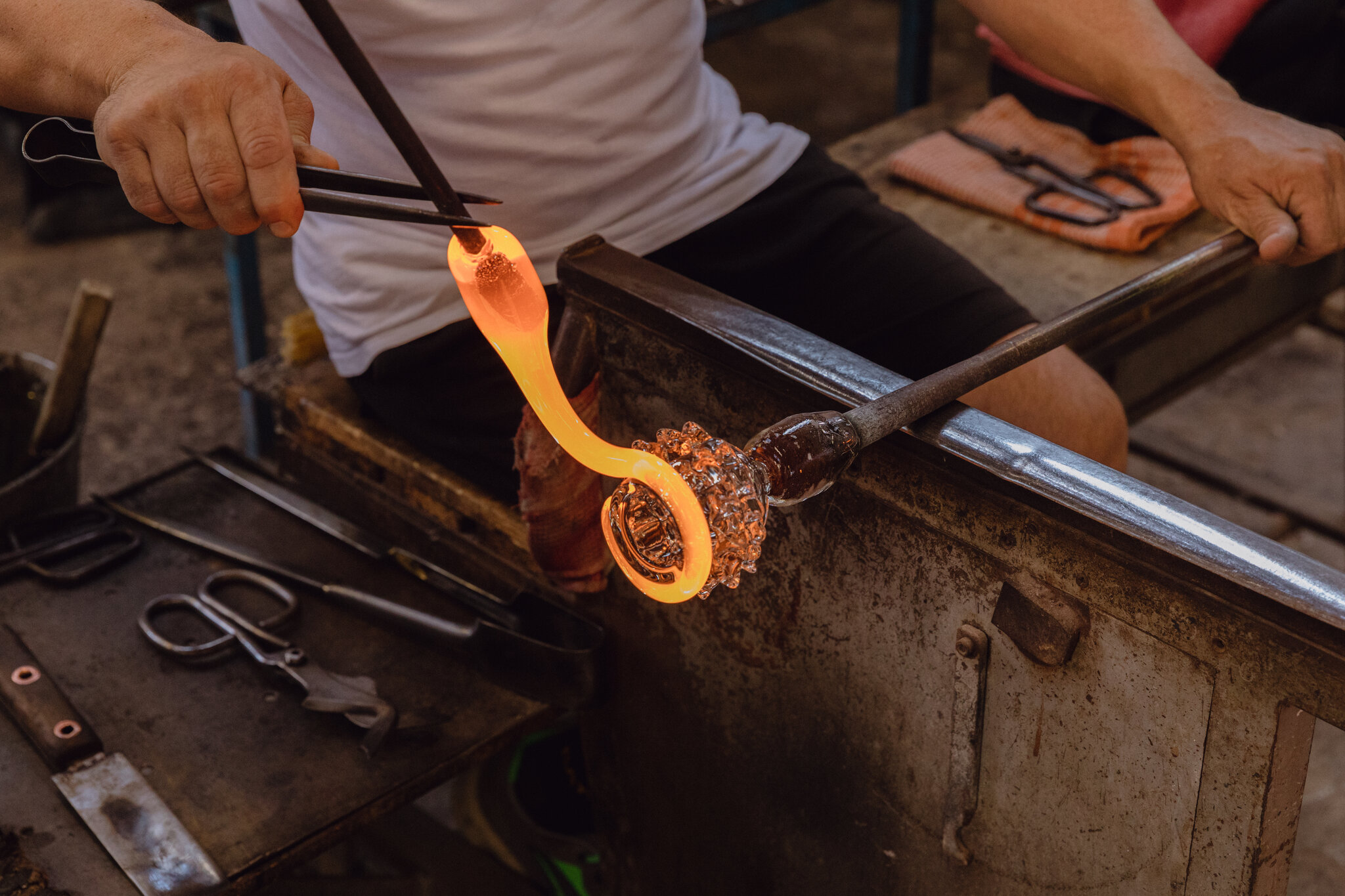
What distinguishes Murano glass is not only its visual impact, but the evidence of the hand. Subtle variations in thickness, tiny bubbles caught beneath the surface, or the fluid asymmetry of a rim are not imperfections—they are signatures of a living process. These details speak to hours spent at the furnace, shaping molten material that cools and hardens in seconds.
Today, authentic Murano pieces continue to be made using traditional methods, even as the market is flooded with imitations. True Murano glass carries a depth and luminosity that is difficult to replicate—light refracts through it rather than simply reflecting off the surface.
Collecting and Living with Murano Glass
Whether displayed as a focal point or integrated quietly into a room, Murano glass brings a sense of intention to a space. A single vase can anchor a console or dining table; a pair of vessels can introduce color without overwhelming. These objects reward close looking—changing character as daylight shifts or candlelight flickers nearby.
Collected thoughtfully, Murano glass transcends trend. It offers a dialogue between tradition and modernity, craft and design—objects that feel both timeless and alive.
In a world increasingly driven by speed and uniformity, Murano glass remains a testament to patience, skill, and the enduring power of handmade beauty.
Murano Glass at Panoplie
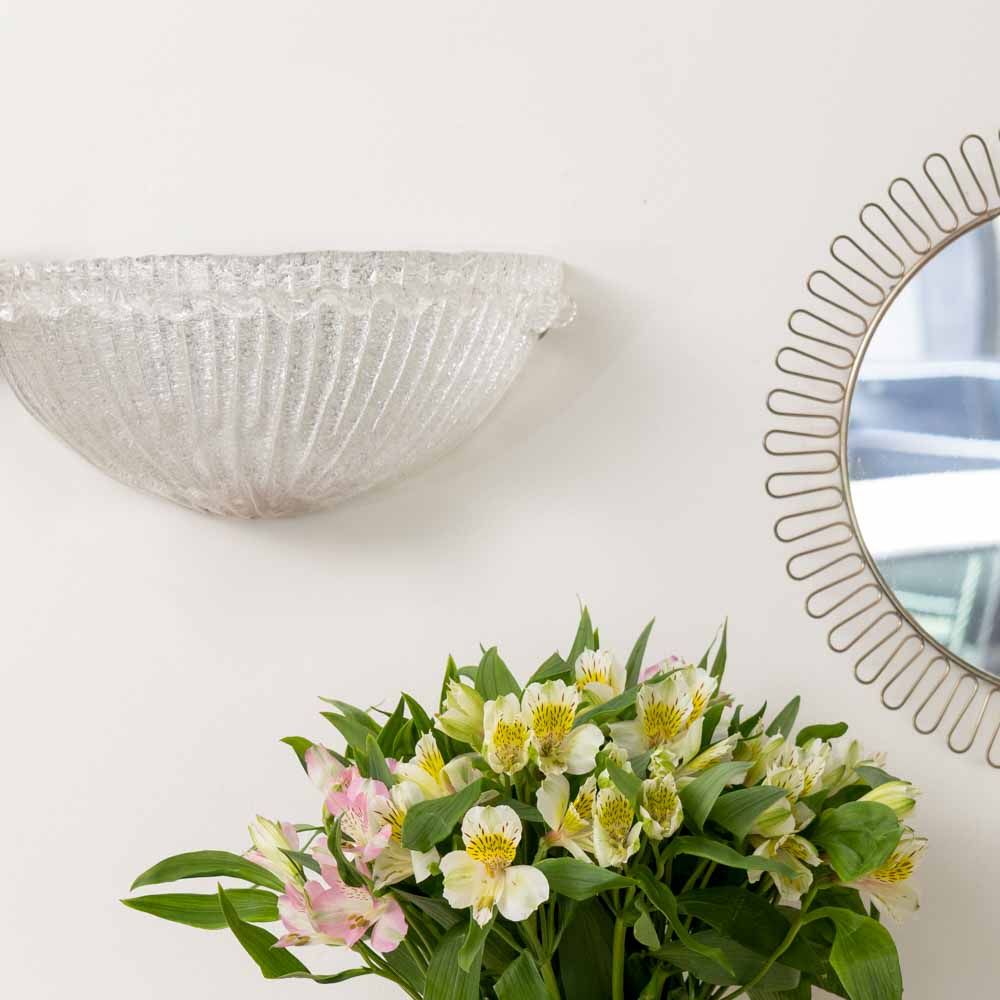
At Panoplie, Murano glass is selected with an eye toward form, restraint, and longevity. Each piece is chosen for its balance of craftsmanship and design—objects that feel at home in both classic and contemporary interiors. Whether sculptural or quietly functional, these works reflect Panoplie’s commitment to thoughtful sourcing and enduring materials, offering pieces meant not only to be displayed, but lived with.