Style
- April 04, 2026
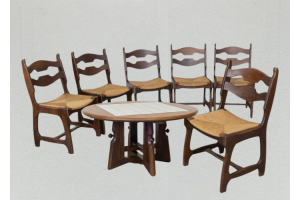
Rattan has long occupied a unique place in the world of furniture and interiors—at once informal and refined, lightweight yet enduring. Woven into the fabric of 20th-century European design, it offered an alternative to heavier materials, introducing a sense of ease and movement into interiors. Its appeal lies not only in its natural texture, but in the way it balances craftsmanship with simplicity—never...
Rattan has long occupied a unique place in the world of furniture and interiors—at once informal and refined, lightweight yet enduring. Woven into the fabric of 20th-century European design, it offered an alternative to heavier materials, introducing a sense of ease and movement into interiors. Its appeal lies not only in its natural texture, but in the way it balances craftsmanship with simplicity—never overpowering a space, but always adding depth.
What Is Rattan?
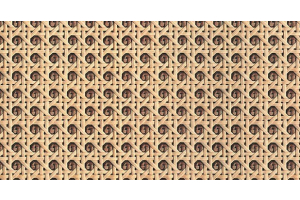
Rattan is a naturally renewable palm that grows in tropical regions, primarily in Southeast Asia. Unlike solid wood, it is both flexible and strong, allowing it to be bent, shaped, and woven into a wide range of forms. This versatility...
- March 02, 2026
Emerging in the years between the First and Second World Wars, the Art Deco movement marked a turning point in how design was conceived, produced, and experienced across Europe. Rooted in a desire to break from tradition while still honoring craftsmanship, it introduced a new visual language defined by geometry, balance, and material richness. Nowhere was this more fully realized than in Paris, where designers...
Emerging in the years between the First and Second World Wars, the Art Deco movement marked a turning point in how design was conceived, produced, and experienced across Europe. Rooted in a desire to break from tradition while still honoring craftsmanship, it introduced a new visual language defined by geometry, balance, and material richness. Nowhere was this more fully realized than in Paris, where designers and makers began to explore a refined modernism—one that felt both progressive and deeply considered. Across France and Western Europe, Art Deco became synonymous with a certain kind of quiet luxury: interiors that were structured yet expressive, decorative but never excessive. It reflected...